
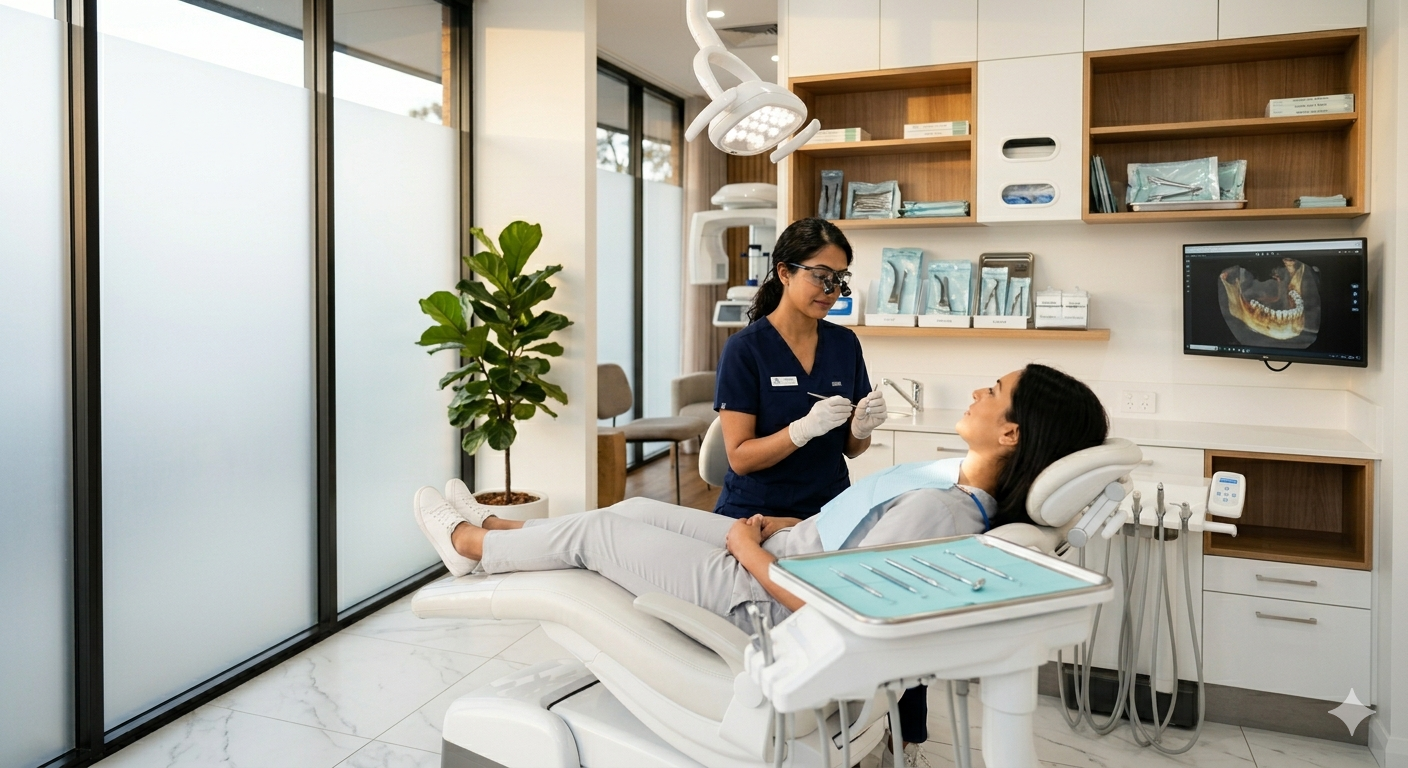
Dental implants in Easley, SC, offer a reliable solution for anyone looking to replace missing teeth with something that feels and functions like natural teeth. They provide lasting support through a titanium post surgically placed into the jawbone, which then anchors a custom crown, making them both durable and comfortable. This option is especially popular for people who want to maintain their smile and oral health without the drawbacks of dentures.
Patients often wonder if the procedure is painful or complicated, but with modern techniques and local anesthesia, discomfort is minimized, and many recover quickly. The team in Easley focuses on personalized care, ensuring each step is clearly explained and tailored to the patient’s needs.
Choosing dental implants also means investing in long-term oral health, as they help prevent bone loss and keep surrounding teeth stable. Anyone considering this treatment can feel confident knowing that expert dental professionals are ready to guide them through every phase, from consultation to aftercare.
Understanding Dental Implants in Easley SC
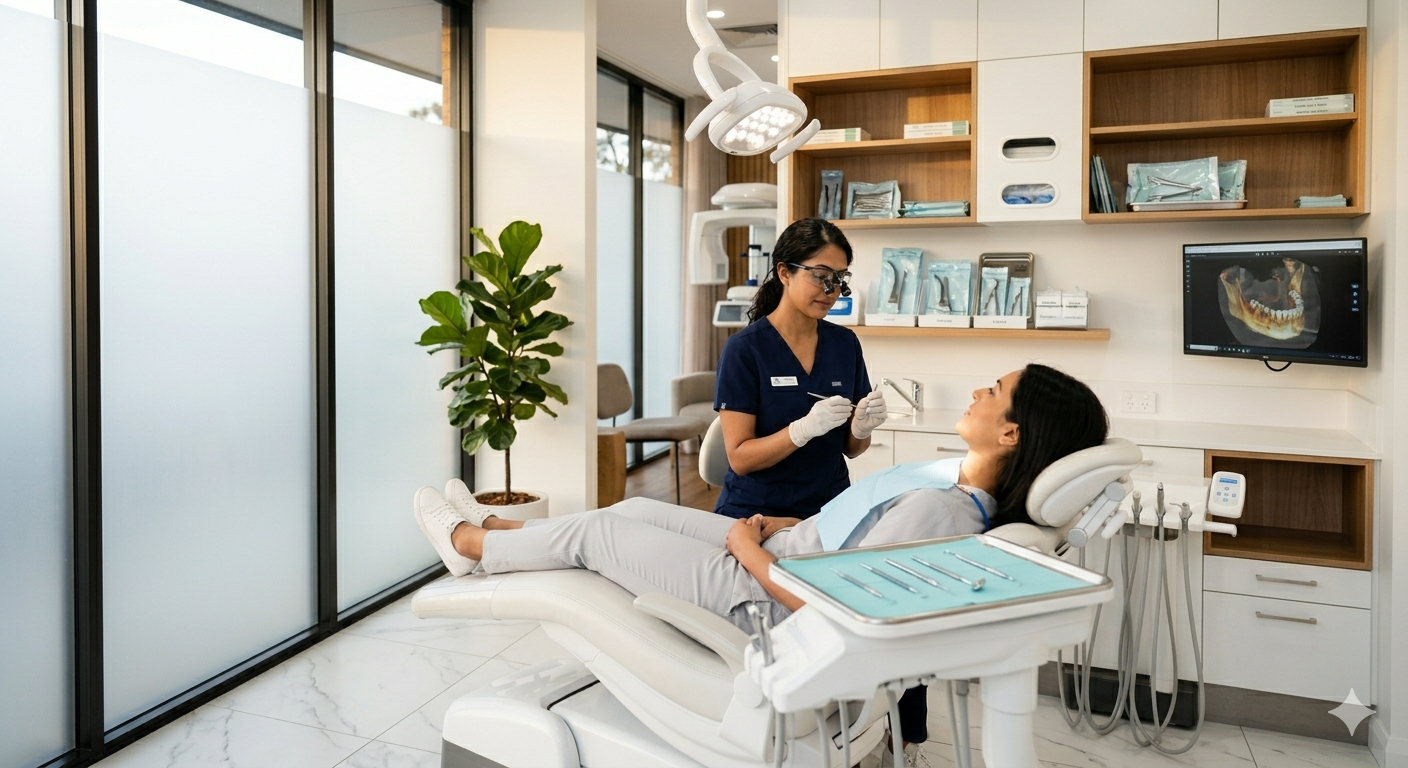
Dental implants in Easley SC offer a reliable way to replace missing teeth with durable, natural-feeling results. This section covers what implants are, how they function, the options available, and the materials used to create them.
What Are Dental Implants?
Dental implants are small titanium posts surgically placed into the jawbone to serve as a sturdy foundation for artificial teeth. Unlike dentures, implants become part of the bone, providing long-lasting stability.
They support crowns, bridges, or dentures, restoring the look and function of natural teeth. Implants help prevent bone loss that often occurs after tooth loss, maintaining facial structure.
Implants suit patients with healthy gums and enough bone tissue. A dental professional in Easley SC can evaluate candidacy through exams and imaging.
How Dental Implants Work
The implant process begins when the titanium post integrates with the jawbone, a process called osseointegration. This fusion usually takes a few months and creates a strong anchor.
After the implant heals, a connector—called an abutment—is attached. This supports the final restoration, such as a crown or denture.
This method ensures the artificial tooth acts like a natural one for biting and chewing. It also avoids putting stress on surrounding teeth.
Regular visits to the dental office are needed to monitor healing and fit, ensuring comfort and success.
Types of Dental Implants Available
There are several implant types suited for different needs:
- Endosteal Implants: The most common, these go directly into the jawbone.
- Subperiosteal Implants: Placed under the gum but above the bone, used when bone volume is low.
- Zygomatic Implants: For patients lacking upper jaw bone, these anchor into the cheekbone.
Patients in Easley SC can discuss which implant best fits their bone structure and oral health.
Each implant type offers different surgical approaches and healing times, tailored to personal needs.
Dental Implant Materials Explained
Most dental implants use titanium, favored for its strength, durability, and ability to bond with bone tissue. Titanium is biocompatible, reducing rejection risk.
Zirconia implants are a metal-free alternative, preferred by some patients for aesthetics or metal sensitivities. They offer good strength but have a shorter track record than titanium.
The abutment and crowns often use ceramic or porcelain for a natural tooth-like appearance.
Dentists in Easley SC choose materials based on patient health, cosmetic preferences, and treatment goals.
Benefits of Dental Implants
Dental implants offer specific advantages that go beyond just replacing missing teeth. They impact everyday activities like eating and speaking, support the structure and health of the mouth over time, and can improve how someone feels about their smile.
Improved Chewing and Speech
One of the most noticeable benefits of dental implants is the restoration of chewing ability. Unlike dentures, implants anchor directly into the jawbone, providing a strong and stable foundation for biting. This stability means patients can enjoy a wider variety of foods without worry.
Speech also improves because implants don’t slip or cause discomfort like some removable options. With implants, words come out clearly since the dental structure closely mimics natural teeth. Patients often find it easier to talk without feeling self-conscious about their teeth moving.
Long-Term Oral Health
Dental implants help maintain jawbone density by stimulating the bone where the tooth root used to be. This prevents bone loss, which is common after tooth loss and can cause facial sagging. Preserving bone strength supports the overall shape of the face.
Additionally, implants do not require altering nearby healthy teeth like traditional bridges do. This means more of the natural tooth structure stays intact. Implants are also easier to clean, reducing the risk of decay and gum disease compared to some other dental restorations.
Enhanced Confidence and Appearance
Dental implants look and feel like natural teeth, blending seamlessly with the rest of the smile. This natural appearance can boost confidence significantly, especially since implants avoid the visible gaps or awkward fit of dentures.
Because implants are permanent and stable, patients often feel more comfortable smiling, laughing, and engaging in social situations. This improved self-esteem contributes to better overall quality of life by encouraging positive social interactions and a stronger sense of well-being.
The Dental Implant Procedure in Easley SC
Dental implants in Easley SC involve careful planning, precise placement, and attentive recovery management. Each step is designed to maximize comfort and ensure successful, natural-feeling tooth replacement.
Step-by-Step Implant Placement
First, the dentist performs a thorough examination, including X-rays or 3D scans, to assess bone health and implant site suitability. If necessary, bone grafting may be done beforehand to strengthen the jawbone.
During the implant surgery, a small titanium post is placed into the jawbone under local anesthesia. This post acts as the tooth root and needs several months to fuse with the bone through a process called osseointegration.
Once the implant is secure, an abutment is attached, which will hold the crown in place. Finally, a custom-made crown is fixed onto the abutment, matching the natural teeth in shape and color.
What to Expect During Recovery
After the procedure, patients can expect some mild swelling, tenderness, and possible bruising near the implant site. These symptoms typically last a few days and can be managed with prescribed pain relievers and cold compresses.
Patients are advised to maintain a soft-food diet and avoid strenuous activities for about a week. Regular cleaning at the implant site is crucial to prevent infection, but brushing and gentle rinsing with salt water are usually sufficient.
Follow-up appointments ensure the implant is healing properly and the crown fits comfortably. Most patients resume normal activities quickly, with long-term success linked to good oral hygiene.
Local Anesthesia and Comfort Measures
Local anesthesia is used to numb the implant area, ensuring the patient feels no pain during surgery. Sedation options, such as nitrous oxide or oral sedatives, may also be offered to help with anxiety and promote relaxation.
Before the procedure, the dentist discusses all anesthesia choices and comfort measures to tailor the experience to the patient’s needs. Modern equipment and techniques further minimize discomfort.
Post-procedure, the team provides detailed instructions on pain management and oral care to support a smooth recovery and reduce discomfort. Comfort is prioritized every step of the way.
Choosing the Right Dentist for Dental Implants
Finding the right dentist for dental implants means looking beyond the basic services. It requires evaluating their qualifications, understanding their experience in the local community, and seeing how they personalize care to fit individual needs.
Credentials to Look For
A dentist qualified to place dental implants should have specific training beyond general dentistry. Look for certifications from recognized organizations like the American Academy of Implant Dentistry (AAID) or additional education in implantology.
Board certification, advanced courses in implant placement and restoration, and membership in professional dental implant groups indicate a commitment to expertise. It’s important they stay updated on the latest techniques, which helps in providing safe, effective treatment.
Also, check if the dentist practices comprehensive care—handling both the surgical and prosthetic parts or works with trusted specialists. This ensures seamless treatment from start to finish.
Importance of Local Experience
Experience matters, especially with dental implants, because it involves surgery and precise restoration. A dentist familiar with Easley, SC’s community may better understand local health trends and patient concerns.
Local experience often means the dentist has a proven track record of successful implant cases nearby. This can give peace of mind regarding the quality of care and follow-up support.
It’s helpful if the dentist has strong relationships with nearby specialists, labs, and clinics to streamline treatment. Good local reputation and patient reviews also provide insight into reliability and satisfaction.
Personalized Patient Care
Not every dental implant case is the same. The right dentist takes time to assess the patient’s unique dental health, lifestyle, and goals during consultation.
Personalized care includes customized treatment plans, clear explanations of options, and addressing anxieties or financial concerns upfront. Comfort during procedures is prioritized by using sedation options or gentle techniques.
Follow-up care is also tailored, ensuring proper healing and maintenance. Building trust and open communication helps patients feel confident throughout the process, making implant treatment less intimidating.
Am I a Candidate for Dental Implants?
Determining candidacy for dental implants involves assessing overall oral health and the condition of the jawbone. These factors are essential to ensure successful placement and long-term stability of the implants.
Evaluating Oral Health
Good oral health is crucial before getting dental implants. The candidate should have healthy gums free from active infection or gum disease.
Any untreated issues like cavities, gum inflammation, or oral infections need addressing first. Conditions like uncontrolled diabetes or habits such as heavy smoking can affect healing and implant success.
Dentists often perform a thorough exam, including X-rays, to check the health of teeth and gums. Maintaining strong oral hygiene before and after the procedure helps improve the chances of implant integration.
Bone Density Considerations
Sufficient bone density in the jaw is vital for anchoring dental implants securely. Without enough bone, implants may fail to fuse properly or can become loose over time.
Bone loss often happens after tooth loss or from periodontal disease. In those cases, bone grafting or other augmentation procedures might be recommended.
Imaging tests, like 3D CT scans, allow the dentist to measure bone thickness and quality precisely. If the bone is suitable or can be restored, implants become a viable option.
Caring for Your Dental Implants
Maintaining dental implants requires consistent attention to both cleaning and lifestyle habits. Proper care helps prevent issues like gum inflammation and implant failure, ensuring the implant stays strong and functional for years.
Daily Care Tips
Dental implants need daily cleaning just like natural teeth. Patients should brush twice a day using a soft-bristled toothbrush to avoid damaging the implant surface. An electric toothbrush can be helpful for gentle, thorough cleaning.
Flossing is essential to remove plaque between the implant and adjacent teeth. Using implant-specific floss or interdental brushes can make this easier. Rinsing with an antimicrobial mouthwash also reduces bacteria around the implant site.
Drinking plenty of water throughout the day helps wash away food particles and keeps the mouth fresh. Avoiding tobacco use supports gum health, increasing the chances of long-term implant success.
Routine Dental Visits
Regular dental check-ups are vital for monitoring implant health. A dental professional will examine the implant, surrounding gums, and bone structure to spot any early signs of trouble.
Professional cleanings every 3 to 6 months remove hard-to-reach plaque and tartar that brushing can’t handle. X-rays may be taken occasionally to ensure the implant is securely anchored and that the jawbone remains healthy.
Patients should be honest about any discomfort or changes near the implant. Early intervention during follow-ups prevents costly complications and keeps the implant performing well.
What to Avoid
Certain habits can harm dental implants and should be avoided. Hard foods like ice, popcorn kernels, or nuts may crack or loosen the implant crown.
Chewing on non-food items, such as pens or fingernails, puts unnecessary stress on the implant. Patients should also avoid grinding or clenching their teeth, which can damage both implants and natural teeth.
Smoking and excessive alcohol consumption slow healing and increase the risk of infection around the implant. Maintaining a balanced diet and a gentle oral care routine is the best strategy to preserve implant health.
Cost and Financing Options in Easley SC
Dental implant costs in Easley, SC, vary based on several key factors, and patients have multiple ways to manage payments. Understanding pricing influences and available financial assistance helps people plan their treatment with confidence.
Factors Affecting Dental Implant Pricing
The overall cost depends on the type of implant, the number of teeth being replaced, and the condition of the jawbone. Additional procedures like bone grafts or sinus lifts can increase the price.
Location also matters; Easley’s dental offices may have varying fees depending on expertise and technology used. Implant quality and the materials chosen—titanium versus zirconia, for example—affect costs as well.
Typically, a single dental implant in Easley ranges from $3,000 to $5,000. This includes surgical placement, abutment, and crown, but not always preliminary imaging or extractions.
Dental Insurance and Payment Plans
Many dental insurance plans in Easley cover only a portion of dental implants, often labeling them as elective or cosmetic procedures. Patients should check their specific policies to confirm coverage.
Most dental offices offer flexible payment plans, allowing the cost to be spread over several months or years. Options might include low-interest financing or third-party lenders specializing in healthcare expenses.
Some practices provide discounts for upfront payments or bundled treatment packages. It’s a good practice to ask the dental office about all available financing before starting treatment.
Why Choose Dental Implants Over Other Solutions?
When considering tooth replacement, durability and comfort are top priorities. This section highlights how dental implants stand out by offering stability, preservation of oral health, and long-term benefits compared to bridges and dentures.
Dental Implants vs. Bridges
Dental implants are anchored directly into the jawbone, which helps maintain bone structure. In contrast, bridges rely on adjacent teeth for support, which can weaken those healthy teeth over time.
Bridges typically last 5 to 15 years, while implants can last decades with proper care. Implants also don’t require altering neighboring teeth, preserving natural tooth enamel. Cleaning is easier with implants since you treat them like your natural teeth, unlike bridges which require special flossing techniques.
For many, implants provide a more permanent and maintenance-friendly solution without compromising surrounding teeth.
Dental Implants vs. Dentures
Dentures are removable and can slip or cause discomfort, especially when eating or speaking. Dental implants, fixed in place, offer greater stability and a natural feel that dentures often can’t match.
Implants help preserve jawbone health by stimulating bone growth, while dentures may accelerate bone loss over time. Dentures need regular adjustments to fit properly; implants seldom require this after healing.
People who choose implants often experience better chewing efficiency and confidence, making implants a practical choice for a long-lasting, comfortable tooth replacement.
Success Stories from Easley SC Patients
Many patients in Easley, SC, have shared their personal journeys with dental implants, highlighting significant improvements in their daily lives. These accounts focus on the real experiences and the life-changing effects of modern implant treatments.
Real-Life Experiences
Patients often describe noticeable changes right after their dental implant procedures. One Easley resident mentioned how the implant restored her confidence to smile during social events. Another shared relief from years of discomfort caused by ill-fitting dentures.
The process, while involving careful planning and healing, is generally well tolerated. Many appreciate how local clinics prioritize comfort, using gentle anesthesia and sedation options. Several people highlighted the support they received during recovery, which helped reduce anxiety.
Common themes include improved chewing ability and speaking clarity. These benefits impact daily life directly, making meals more enjoyable and interactions smoother. Patients emphasize that personalized care and clear explanations made the treatment feel manageable.
Transformative Results
For many, dental implants brought more than just functional improvements; they sparked emotional healing as well. One patient noted feeling younger and more energetic after regaining a full set of teeth. Another reported increased motivation to maintain oral health after their procedure.
In Easley, clinics combine advanced imaging and precision tools to ensure implants fit perfectly. This attention to detail reduces complications and speeds up healing. Patients often remark on how natural their new teeth look and feel, blending seamlessly with the rest of their smile.
Overall, these results encourage people to consider implants not just as dental work, but as an investment in their overall well-being. The transformation extends beyond the mouth, influencing confidence, social life, and daily comfort.
Next Steps: Scheduling Your Consultation
When someone is ready to explore dental implants in Easley, SC, the first step is scheduling a consultation. This visit allows the dentist to evaluate oral health and discuss individual needs.
During the appointment, the dentist will review medical history, take X-rays, and explain the implant process. They also talk about what to expect before, during, and after the procedure.
Here’s what patients can do to prepare:
- Write down questions or concerns
- Bring previous dental records if available
- Be ready to discuss overall health
Most dental offices offer flexible scheduling options, including weekday and weekend appointments. It’s helpful to call early and reserve a time that fits daily routines comfortably.
A friendly team will guide patients through insurance details and payment plans. Knowing these options can relieve stress and make treatment more accessible.
Encourage patients to think of this consultation as a chance to get personalized advice and feel confident about their smile journey. It’s a small step that leads to big improvements in dental health and comfort.
Frequently Asked Questions
Dental implants involve several steps and considerations that can affect cost, eligibility, and treatment experience. Understanding these details helps patients feel confident and prepared for their journey toward a restored smile.
How much does a single dental implant typically cost, and what factors can change the price?
A single dental implant in Easley, SC, usually costs between $3,000 and $5,000. Prices vary based on the type of implant, need for bone grafting, and the expertise of the provider.
Additional procedures like sinus lifts or extractions add to the cost. Insurance coverage and payment plans can also affect out-of-pocket expenses.
Am I a good candidate for an implant if I have gum disease or bone loss?
Active gum disease must be treated before implant placement to ensure success. Patients with bone loss may need bone grafts to create a stable foundation for the implant.
A dental professional will evaluate gum health and bone density through exams and imaging. With proper treatment, many patients can still receive implants.
What’s the difference between seeing a periodontist versus an oral surgeon for implant treatment?
Periodontists specialize in the gums and supporting tissues, focusing on implant placement with attention to gum health. Oral surgeons handle surgical aspects such as bone grafts and complex implant cases.
Both specialists are qualified, but the choice depends on the complexity of the case and patient preference. Sometimes, they work together for optimal results.
How long does the implant process usually take from start to finish, including healing time?
The entire process typically spans 3 to 6 months. This includes consultation, implant placement, healing for bone integration, and fitting the permanent crown.
Healing time can vary based on individual health and whether extra procedures like grafts are needed. Follow-up visits ensure proper healing and implant stability.
What can I expect during the procedure—will I be comfortable, and what sedation options are available?
Most patients experience little discomfort during the implant procedure. Local anesthesia is standard, and sedation options like nitrous oxide or oral sedation help ease anxiety.
Post-procedure soreness is manageable with mild pain relievers. The dental team prioritizes patient comfort throughout every step.
Can I still get dental implants if I have an autoimmune condition or take medications that affect healing?
Autoimmune conditions or certain medications may affect healing and increase risks. Patients should discuss their medical history in detail with their dentist or specialist.
With careful planning and monitoring, many individuals with these concerns can still receive implants safely. Tailored treatment approaches support successful outcomes.