
You’ll want a quick, practical answer about dental filling costs in Easley, SC so you can plan your care. Most common fillings in Easley typically range from about $100–$250 for amalgam and $150–$450 for composite, with exact prices varying by tooth and complexity.
They’ll explain how material choice, cavity size, and whether you have dental insurance affect out-of-pocket cost, and the article will walk through what happens during the visit so you know what to expect. If you want tips on saving money or choosing a long-lasting option, the following sections break down comparisons, common extras, and when to schedule a consultation.
Understanding Dental Fillings
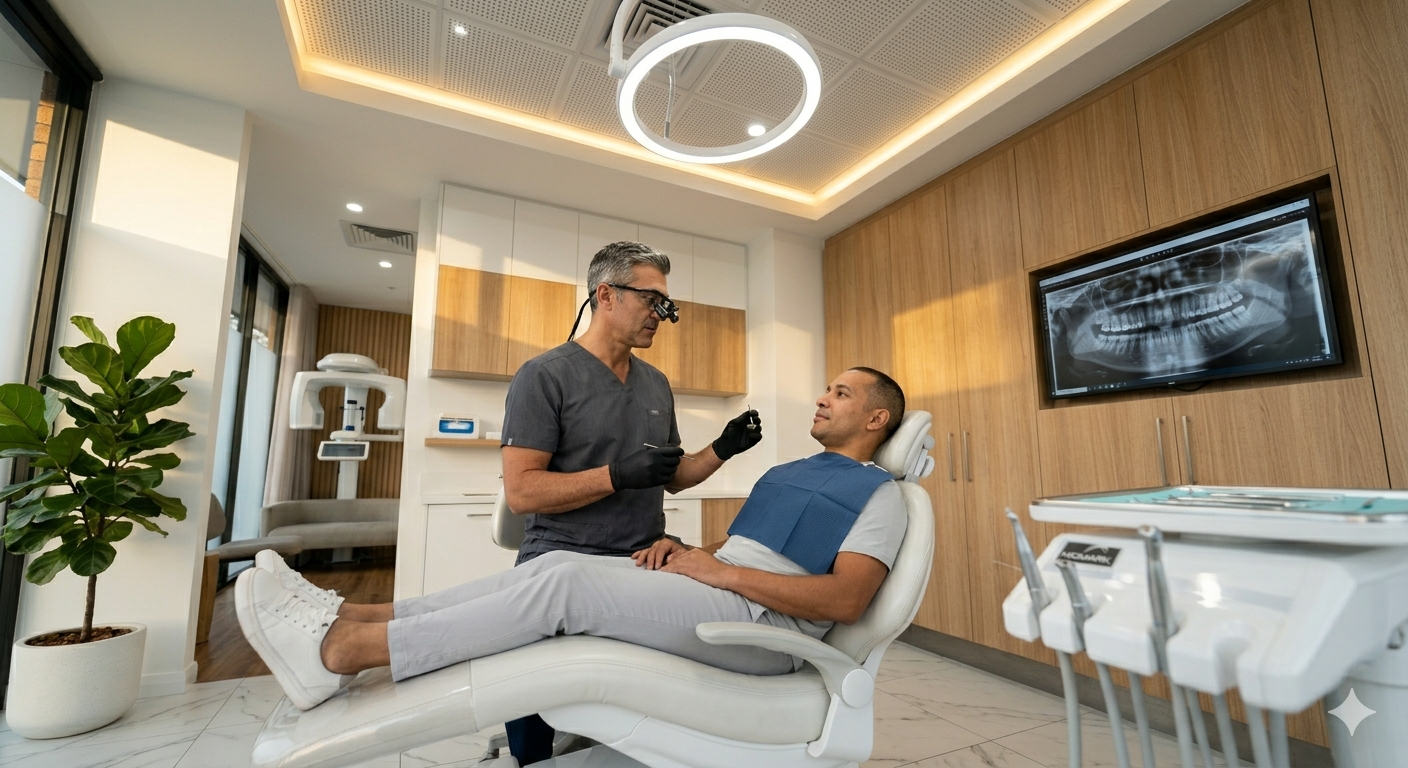
Dental fillings repair teeth damaged by decay, cracks, or wear. They restore bite function, prevent further decay, and can also improve the tooth’s appearance.
What Are Dental Fillings?
Dental fillings replace lost tooth structure with a durable material bonded or fitted into the cavity. Dentists remove decayed tissue, shape the cavity, and place the filling to restore strength and seal out bacteria.
Common filling types include direct restorations placed in a single visit and indirect restorations (inlays/onlays) fabricated in a lab. Direct composite or amalgam fillings typically take 20–60 minutes per surface. Indirect restorations require impressions and a second visit for bonding.
Filling choice depends on cavity size, location, cosmetic goals, and bite forces. Small back teeth cavities often get composite or amalgam; larger or stressed areas may need porcelain or gold inlays. Proper technique and moisture control matter most for longevity.
Why Fillings Are Needed
Fillings stop decay from progressing into deeper tooth layers like dentin and the pulp, which can lead to root canals or extractions. Even small cavities can expand, causing sensitivity, pain, and larger structural loss if untreated.
Fillings also restore chewing efficiency and prevent uneven wear on neighboring teeth. When a tooth fractures from biting hard foods or grinding, fillings can rebuild shape and prevent pieces from breaking off.
Patients with visible cavities often choose tooth-colored options for aesthetic reasons. Those with financial or durability concerns may consider alternatives; a dentist will discuss trade-offs like cost, lifespan, and required maintenance.
Overview of Filling Materials
- Composite resin: Tooth-colored, bonds to enamel, good for front and small back cavities, lifespan ~5–10 years with good care.
- Amalgam: Silver-colored, very durable for molars, lifespan ~10–15 years, contains mercury alloy but remains a widely used option.
- Porcelain (ceramic): Fabricated in a lab, excellent aesthetics, resists staining, used for inlays/onlays or crowns, lifespan often 10–15+ years.
- Gold: Highly durable and biocompatible, costly, requires multiple visits, lifespan 15+ years.
- Glass ionomer: Releases fluoride, bonds chemically to tooth, useful for small cavities near the gumline or pediatric dentistry, shorter lifespan than composites.
Dentists consider durability, appearance, cost, and tooth location when recommending a material. They will explain expected lifespan, procedure steps, and any maintenance like avoiding very hard foods or scheduling regular check-ups.
Typical Price Range in Easley
Costs in Easley vary by material, tooth location, and whether the clinic accepts insurance or offers in-house financing. Patients typically see lower prices for amalgam on back teeth and higher prices for tooth-colored composites, with specialty options like gold or ceramic costing more.
Average Costs by Filling Type
- Amalgam (silver) fillings: Common for molars. Typical range: $80–$200 per surface. Durable and usually the least expensive option.
- Composite (tooth-colored) fillings: Preferred for front and visible teeth. Typical range: $150–$350 per surface. Cost increases with shade matching and layering technique.
- Glass ionomer: Used for small restorations or near the gumline. Typical range: $100–$250 per surface. Releases fluoride but is less wear-resistant.
- Ceramic (porcelain) inlays/onlays: For larger restorations when crowns aren’t necessary. Typical range: $600–$1,200 depending on size and lab fees.
- Gold inlays/onlays: Durable and costly. Typical range: $700–$1,400 depending on gold market and lab work.
Prices above reflect per-tooth or per-surface norms and may change with complexity, anesthesia needs, or additional procedures like buildup.
Price Variation Between Clinics
Clinic pricing depends on dentist experience, overhead, and technology. Practices with digital imaging, same-day CAD/CAM restorations, or advanced sedation often charge more to cover equipment and training costs.
Insurance participation affects out-of-pocket cost. In-network providers usually apply contracted rates, lowering patient expenses; out-of-network dentists bill higher and may require patients to file claims.
Location and hours matter. Downtown Easley or evening/weekend clinics may have higher fees than small neighborhood offices. Many practices offer payment plans, CareCredit, or sliding scales; patients should ask for detailed estimates and compare the final out-of-pocket total, not just the procedure price.
Factors That Influence Cost
Several practical elements determine what a patient pays for a filling in Easley, SC. These include the size and position of the cavity, the filling material chosen, the dentist’s level of experience, and how insurance applies.
Size and Location of Cavities
The physical dimensions of decay directly affect time and materials. Small surface cavities on front teeth often require minimal composite resin and a 20–30 minute appointment. Large occlusal or interproximal cavities on molars may need more composite, additional bonding steps, or even a partial crown—each increasing chair time and cost.
Location influences access and complexity. Cavities deep under a biting surface or between teeth can take longer to isolate and restore, sometimes requiring rubber dam use or matrix systems. Deep cavities near the pulp may require a liner or root canal referral before final restoration, which adds separate fees. Posterior teeth also demand stronger materials, raising material costs compared with simple anterior restorations.
Material Choices
Material selection often makes the biggest line-item difference on an estimate. Common options in Easley include:
- Composite resin (tooth-colored): popular for front and back; typically mid-range cost.
- Amalgam (silver): usually less expensive and durable for molars, but less aesthetic.
- Ceramic/inlay or onlay: higher cost, lab-fabricated, used for larger defects or when aesthetics and strength matter.
Each material carries trade-offs in longevity, appearance, and technique. Composites require layering and bonding — more dentist time — while amalgam placements are faster and cheaper. Ceramic restorations demand impressions or digital scans and lab work, so expect higher fees but improved wear resistance and color match. Patients should weigh upfront cost against expected lifespan and esthetic priorities.
Experience of the Dentist
A dentist’s training and experience influence procedure complexity and fee structure. Dentists who specialize in restorative dentistry, use microscopes, or maintain advanced certifications may charge more for consistent, high-quality results. They often invest in materials and technologies—digital scanning, high-quality bonding agents, or sedation options—that raise overhead and, consequently, patient fees.
Less-experienced dentists or general practices may offer lower prices but may refer complex cases out. Patients should consider outcomes and warranty policies; experienced clinicians often provide clearer treatment planning and longer-lasting restorations. Checking reviews, asking about the dentist’s approach to isolation and bonding, and requesting examples of similar work can help justify higher costs.
Dental Insurance Coverage
Insurance affects out-of-pocket cost but varies widely by plan. Many plans cover a percentage of basic restorations like amalgam or composite for posterior teeth — commonly 50–80% after deductibles — while more cosmetic or lab-based options (ceramic inlays/onlays) might be classified as major services with lower coverage levels.
Coverage limits and waiting periods matter. Annual maximums (often $1,000–$2,000) can quickly be reached, and some plans impose waiting periods for major restorative work. Patients should confirm whether the insurer requires preauthorization for higher-cost materials and whether the practice files claims electronically. Dental offices in Easley typically provide an estimate showing insurer payment vs. patient responsibility, which helps plan budgeting and compare treatment options.
Comparing Filling Materials
Different filling materials vary in appearance, durability, and price. Patients should weigh upfront cost, how long the filling is expected to last, and whether they prioritize a natural look or the lowest price.
Composite Resin Fillings
Composite resin bonds directly to the tooth and matches tooth color, making it the common choice for visible front and back teeth. It typically costs more than amalgam in Easley, SC, but dentists often choose it for aesthetic reasons and to preserve more natural tooth structure.
Composites last around 5–10 years with good care, though longevity depends on the size of the cavity and chewing forces. They require a dry field during placement, so treatment time can be slightly longer than for amalgam.
Patients with small to medium cavities or those wanting dental work that blends with their smile usually prefer composite. Insurance often covers part of the cost; out-of-pocket expense varies by clinic and whether the dentist uses higher-quality nanohybrid composites.
Amalgam Fillings
Amalgam fillings, made from a silver-colored metal alloy, remain one of the least expensive and most durable options for back teeth. In Easley, SC, amalgam typically costs less upfront than composite and can last 10–15 years or longer under heavy chewing forces.
They require less sensitivity to moisture during placement, which makes procedures quicker and sometimes less expensive. Amalgam is less aesthetic and visibly contrasts with natural teeth, so people often avoid it for front tooth restorations.
Some patients worry about mercury content; dental associations state that amalgam is safe for most people, but alternatives exist. Insurance often favors amalgam for posterior crowns, so cost-sharing can be lower for patients choosing this material.
Ceramic and Gold Options
Ceramic (porcelain) and gold fillings offer superior longevity and biocompatibility, but they come with higher costs in Easley. Gold inlays/onlays can last 20 years or more; ceramic restorations offer excellent aesthetics and stain resistance while lasting 10–15 years when well-made.
Both materials typically require at least two visits: tooth preparation with an impression and placement of a custom restoration. Labs craft these restorations, which raises the price compared with direct fillings; many patients choose them for large restorations where strength and fit matter most.
Insurance may cover part of the cost but often treats these as elective upgrades, leaving patients to cover the balance. Dentists will recommend ceramic or gold when conserving tooth structure and long-term durability justify the higher investment.
What to Expect During a Visit
Patients will learn the timeline of a typical filling appointment and the comfort measures available. The description covers arrival, assessment, treatment steps, and common sensations during and after the procedure.
Step-by-Step Treatment Process
Upon arrival, the dental team confirms medical history and any medications. The dentist examines the tooth, often with digital X-rays, to measure decay and plan the fill.
Next, the tooth is isolated—usually with cotton rolls or a rubber dam—to keep the area dry and visible. The dentist removes decay with a handpiece and small instruments, taking care to preserve healthy enamel and dentin.
For composite (tooth‑colored) fillings, the tooth surface is etched and a bonding agent applied; then the composite is placed in thin layers and hardened with a curing light. For amalgam fillings, the material is condensed and shaped in one step. Each layer placement takes a few seconds to a couple of minutes.
Finally, the dentist checks bite alignment with articulating paper and adjusts the filling for comfort. Total chair time usually ranges from 20 to 60 minutes, depending on the tooth size and number of surfaces treated.
Comfort Measures and Numbing Options
Most patients receive a topical anesthetic gel to numb the injection site before any local anesthetic. The dentist typically uses a short, buffered local anesthetic to minimize sting and onset time.
For anxious patients, dentists may offer nitrous oxide (laughing gas) to reduce nervousness while maintaining consciousness. Oral sedatives are sometimes prescribed ahead of the appointment for those with severe anxiety.
Patients can request breaks or hand signals during treatment if they feel discomfort. After the appointment, mild soreness or sensitivity can occur for a few days; over‑the‑counter pain relievers and warm salt rinses usually help. If numbness persists beyond a few hours or severe pain or swelling develops, patients should contact the office promptly.
Ways to Save on Treatment
Patients can lower out-of-pocket costs by improving daily habits, choosing in-office savings plans, or using flexible payment programs. Small changes and a little planning often cut expenses on fillings without compromising care.
Preventive Care Habits
Good daily habits reduce the chance that a small cavity becomes a larger, more expensive restoration. Brushing twice a day with fluoride toothpaste and flossing daily removes plaque that causes decay; replacing a toothbrush every three months helps maintain effectiveness.
Regular professional cleanings and exams catch early decay. Many practices in Easley, SC offer recall appointments every six months; attending these can identify tiny lesions that may be treated with a small filling rather than a root canal or crown later.
Dietary choices matter. Limiting sugary snacks and frequent sipping of acidic drinks lowers acid attacks that weaken enamel. Using a fluoridated mouthwash after meals provides extra protection, especially for patients with dry mouth or high decay risk.
Membership and Discount Plans
Dental membership plans offered by local practices often cover preventive care and provide reduced fees on restorative work. These in-office plans typically charge an annual fee — commonly $200–$400 — and include two cleanings, exams, and X‑rays, plus discounts (15–40%) on fillings and other treatments.
Statewide dental discount networks also exist and usually charge a lower annual cost for access to participating dentists. Patients should compare what’s included: some plans exclude specialty services or limit the number of discounted restorations per year.
Before joining, verify whether the plan covers emergency visits and whether the discount applies to crowns or just simple fillings. Ask the front desk for a sample fee schedule showing pre-discount versus discounted prices to estimate real savings.
Flexible Financing Options
Many dental offices in Easley partner with third-party lenders that offer short-term, interest-free plans for amounts up to several thousand dollars. These promotional plans work well for single or multiple fillings when patients can pay within the interest-free window.
For longer terms, low-interest loans and credit lines like medical financing or CareCredit spread payments over 6–60 months. Patients should review the interest rate, monthly payment, and any deferred-interest conditions to avoid surprises.
Some practices let patients split large treatment plans into phased appointments, starting with the most urgent fillings first. Asking about payment arrangements and obtaining a written estimate with financing terms helps patients choose the most affordable path.
Long-Term Value of Quality Fillings
Quality fillings save money and protect teeth over years by reducing the need for repeat treatments and more extensive procedures. They also preserve chewing function and decrease sensitivity when placed correctly by a trained dentist.
Durability and Lifespan
High-quality composite and ceramic fillings generally last 7–15 years when placed with proper isolation and bonded techniques. Amalgam fillings can last 10–15 years or longer but may require replacement sooner if margins corrode or tooth structure fractures.
Material choice, cavity size, and bite forces determine longevity. Larger restorations and back teeth under heavy chewing wear tend to fail sooner. Regular dental checkups every six months let dentists spot early wear, marginal gaps, or secondary decay so repairs can be performed before a crown or root canal becomes necessary.
Patient habits affect lifespan. Using a nightguard for bruxism, avoiding very hard foods, and maintaining good oral hygiene extend the functional life of restorations. Documented maintenance—professional cleanings and X-rays every 12–24 months—provides data to time replacements conservatively.
Protecting Your Oral Health
A well-sealed filling prevents bacteria from re-entering the restored area, reducing the risk of recurrent decay and infection. Proper bonding techniques and attention to dry-field isolation are critical to creating that seal and protecting the underlying tooth pulp.
Timely replacement of a failing filling prevents structural breakdown that leads to fractures or the need for root canal therapy. Early interventions often allow conservative options—replacement filling or onlay—instead of crowns or extractions.
Patients who choose higher-quality materials and care often experience fewer emergency visits, less sensitivity, and more predictable outcomes. They should discuss options, warranties, and follow-up schedules with their dentist to match treatment decisions to lifestyle, budget, and long-term oral-health goals.
Scheduling Your Consultation
They can call the dental office or use the practice’s online booking form to request a consultation. Staff typically offer morning and late-afternoon appointments to fit work and family schedules.
Patients should gather insurance information and a list of current medications before the visit. This helps the team estimate out-of-pocket costs for fillings in Easley, SC and speeds up paperwork.
The consultation usually includes a brief oral exam and X-rays when needed. The dentist will explain filling options—amalgam, composite, or ceramic—and recommend the best material based on tooth location and patient preferences.
If anxiety is a concern, patients should mention it when scheduling. Many practices provide comfort measures like nitrous oxide, gentle sedation, or step-by-step explanations to reduce stress.
Ask about payment plans, sliding-scale fees, or membership plans during scheduling. Staff can often run cost estimates and discuss financing so patients know what to expect before treatment.
They should confirm appointment reminders and arrive 10–15 minutes early to complete any remaining forms. If a conflict arises, calling to reschedule as soon as possible keeps care timely and helps other patients access appointments.
Patients who want more information can request a pre-visit phone consultation or a list of documents to bring. This makes the in-office consultation faster and helps the patient feel prepared and confident.
Frequently Asked Questions
This section gives concrete price ranges for common filling scenarios in Easley, SC, and explains the main factors that change those costs. It covers material differences, insurance effects, single‑visit multiple fillings, and cosmetic concerns for front teeth.
How much does a typical cavity filling cost at a local dentist, and what affects the price?
A single simple filling typically ranges from $100 to $250 for a small restoration at many Easley general practices. Larger or deeper cavities can run $200–$450 due to more time, material, and potential need for local anesthesia or a liner.
Tooth location affects cost; molars require more shaping and bite adjustment. Complexity, dentist experience, and whether a dentist uses digital X‑rays or microscopes also influence the price.
What’s the price difference between a tooth-colored (composite) filling and a silver (amalgam) filling?
Amalgam fillings commonly cost $75–$200 per tooth because the material and placement are less time‑intensive. Composite (tooth‑colored) fillings often cost $150–$450 because they require layering, curing, and color matching.
Cosmetic expectations raise cost. If a dentist uses advanced shade matching, bonding agents, or additional polishing for a seamless appearance, patients should expect to pay toward the higher end.
If I have dental insurance, how much will my plan usually cover for a filling?
Most dental plans cover 50–80% of basic restorative care, so insured patients often pay 20–50% of the filling cost after deductions. Plans vary by network, annual maximums, and waiting periods for new members.
Patients should verify whether their plan counts composites on back teeth as basic (covered at the same rate) or as a higher‑cost option that requires patient payment of the difference.
What should I expect to pay for a filling if I don’t have insurance?
Uninsured patients commonly pay full fees, so expect $100–$450 per filling depending on size and material. Many practices offer cash discounts, in‑office financing, or membership plans that lower out‑of‑pocket costs.
Request a written estimate before treatment and ask about payment plans or bundled pricing for multiple procedures.
How much does a front tooth filling usually cost, especially if I want it to look natural?
A front tooth composite filling typically costs $200–$500 because color matching and esthetic finishing take extra time. Skilled shading, layering, and polishing to blend with adjacent teeth increase the fee.
If significant bonding or veneer‑level esthetics are needed, the cost can rise further; patients should discuss cosmetic goals and alternatives with the dentist.
Are there affordable options if I need multiple fillings, like three teeth done in one visit?
Many practices offer reduced per‑tooth pricing for multiple restorations, or a bundled rate for same‑visit treatment, which can cut total cost by 10–25%. Scheduling multiple fillings in one appointment also reduces separate exam and X‑ray fees.
Ask the office for a multi‑tooth estimate and inquire about short‑term financing, membership plans, or tiered material options to find an affordable plan that preserves function and comfort.