
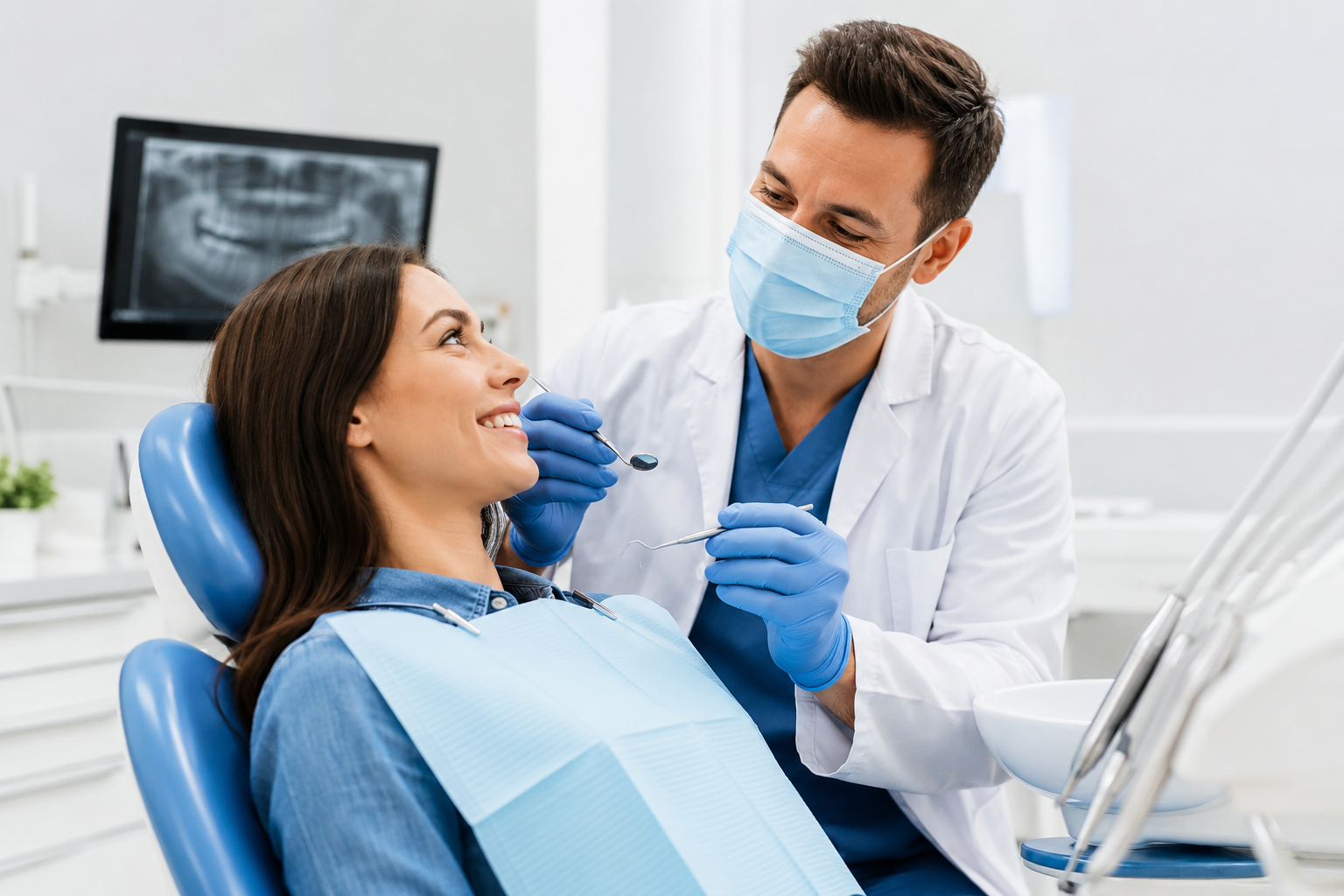
You’ll find affordable teeth whitening options in Easley, SC that fit both your budget and schedule without sacrificing professional care. Local dental practices offer in-office treatments, take-home kits, and flexible payment plans so you can brighten your smile safely and affordably.
A friendly dental team can explain how professional whitening differs from over-the-counter products and recommend the best option based on tooth sensitivity, staining type, and desired results. Expect clear costs, step-by-step guidance on what happens during an appointment, and practical tips to keep your smile bright after treatment.
Understanding Professional Teeth Whitening
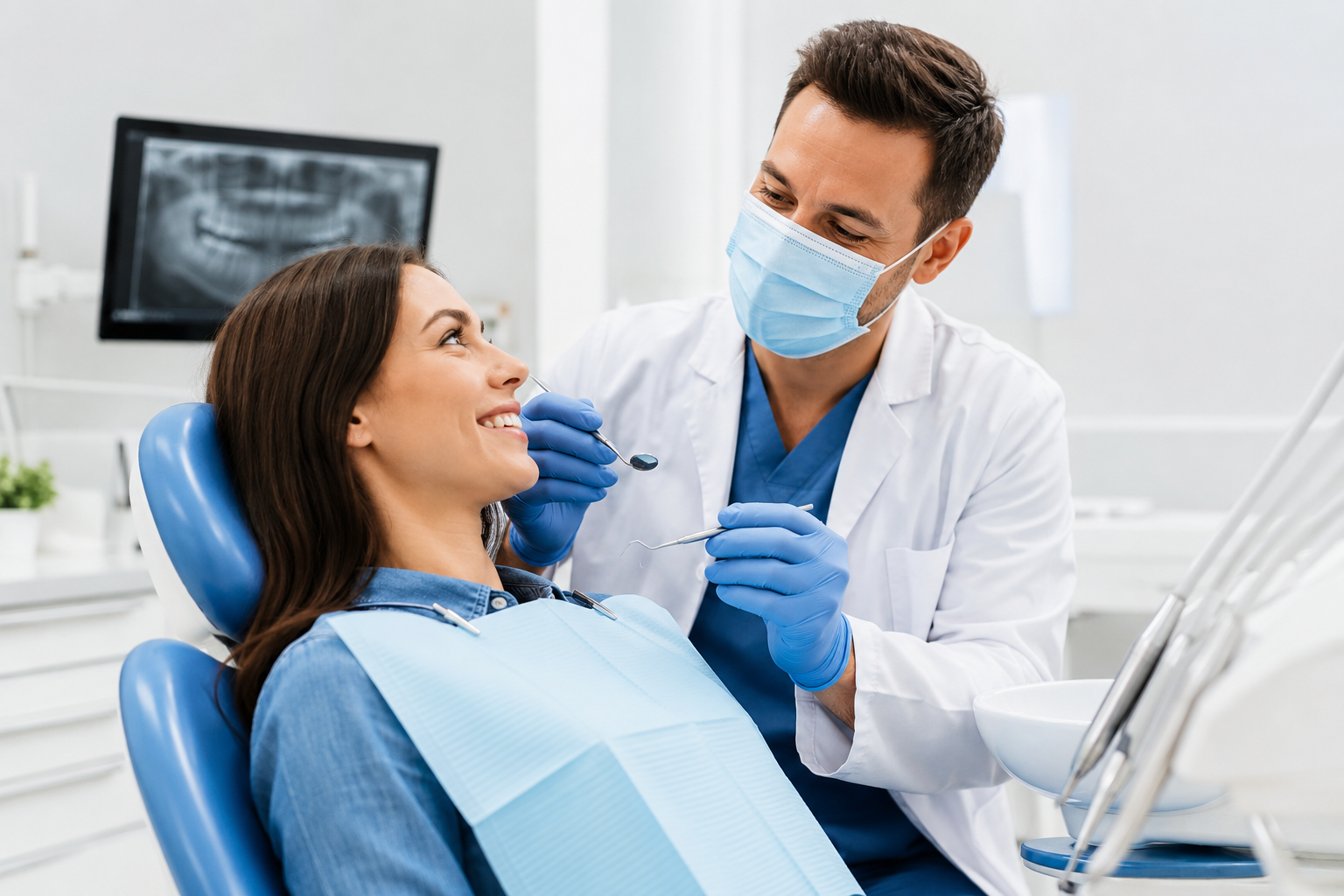
Professional teeth whitening removes surface and deeper stains using controlled, dentist-supervised methods. It balances visible results with tooth and gum safety, and offers faster, longer-lasting improvements than most over-the-counter options.
How the Whitening Process Works
A dental professional evaluates tooth shade, enamel condition, and any restorations before treatment. They isolate gums with a protective barrier or gel to prevent irritation, then apply a peroxide-based whitening agent to the teeth.
The agent breaks stain molecules through oxidation; light or heat may be used to accelerate the chemical reaction in some in-office systems. Typical in-office sessions last 45–90 minutes and can lighten teeth several shades in a single visit.
For take-home trays, impressions create custom-fitted trays and the patient applies a lower-concentration gel for multiple nights. Follow-up checks verify sensitivity and shade stability, and the dentist advises on maintenance to prolong results.
Types of Whitening Options at Local Dental Offices
Dental offices commonly offer three main options: in-office power whitening, custom tray take-home systems, and supervised retail-strength products. In-office power whitening uses high-concentration peroxide and optional light activation for rapid results.
Custom tray take-home systems use lower-concentration peroxide in trays molded to the patient’s teeth for nightly use over one to two weeks. Supervised retail-strength options provide middle-ground strength with office guidance on safe use.
Dentists choose an approach based on stain type (intrinsic vs. extrinsic), tooth sensitivity, restorations, and patient goals. They also recommend timing—such as completing restorations before whitening—to ensure even color and avoid mismatched crowns or veneers.
Myths About Whitening Treatments
Whitening will not damage enamel when performed or supervised by a dentist using approved concentrations and protocols. Short-term sensitivity can occur; dentists manage this with desensitizing agents and adjusted schedules.
Whitening does not change the color of crowns, veneers, or composite fillings; those restorations may need replacement to match new tooth shade. Natural tooth color limits exist—very dark intrinsic stains may require alternative treatments like veneers or bonding.
Results are not permanent; staining habits (coffee, red wine, tobacco) and time will gradually reduce whiteness. Dentists provide maintenance plans and touch-up options to help patients keep a brighter smile.
Finding Budget-Friendly Whitening Solutions
Affordable whitening depends on choices, timing, and payment options. Patients can choose faster, costlier in-office treatments or slower, cheaper at-home kits; looking for package deals, seasonal discounts, and financing can lower out-of-pocket costs.
Comparing In-Office and At-Home Treatments
In-office whitening uses high-concentration peroxide and professional light or laser to lift deep stains in one or two visits. It typically costs more — expect local Easley clinics to charge between $300 and $700 — but delivers immediate, predictable results under clinician supervision.
At-home professional kits from a dentist use custom trays with lower-concentration gel and usually range from $150 to $300. Over-the-counter strips and whitening toothpaste cost $10–$60 and work for surface stains but take longer and may produce uneven results.
Safety matters: dentist-prescribed options include pre-treatment exams and follow-up for sensitivity. Over-the-counter products lack personalized fitting, increasing risk of gum irritation for some patients.
Package Deals and Seasonal Offers
Dental offices often bundle whitening with routine cleanings or cosmetic consults to reduce per-treatment cost. Patients should ask clinics in Easley about “cleaning + whitening” packages that can save $50–$150 compared with standalone whitening.
Seasonal promotions around holidays, graduations, or wedding seasons can cut prices or include free touch-ups. Request specifics: valid dates, included services, and any exclusions. Some practices advertise limited-time rates on social media or email lists.
Group discounts or referral credits may apply if multiple family members book treatments. Always get written details of the package and compare effective cost per whitening session rather than headline discounts.
Payment Plans and Flexible Financing
Many dental practices partner with third-party lenders (for example, CareCredit) to split costs into monthly payments. Typical short-term plans offer 0% interest for 6–12 months; longer terms carry interest but lower monthly payments.
Clinics may also provide in-office financing or memberships that allow monthly fees covering preventive care plus discounted whitening. Patients should compare total repayment amounts, interest rates, and any origination fees before enrolling.
Patients with dental savings plans or flexible spending accounts (FSA/HSA) can use pre-tax dollars for professional whitening when a dentist documents medical necessity. Ask the office for required codes or receipts to submit for reimbursement.
Benefits of Whitening from a Trusted Dental Expert
Professional whitening gives predictable, longer-lasting shade improvement, tailored to the patient’s teeth and lifestyle. It also reduces risks like sensitivity and uneven color that often come from over-the-counter kits.
Long-Term Results versus Store-Bought Products
A dentist uses higher-concentration bleaching agents under controlled conditions, which produces faster and more consistent whitening than consumer strips or pastes. Professional trays or in-office lamps help the gel contact enamel evenly, reducing patchy results that many store products produce.
Dentists evaluate staining type—extrinsic (coffee, tobacco) versus intrinsic (aging, medication)—and choose an appropriate protocol. That matters because intrinsic stains often require stronger, longer treatments or alternative options like veneers, which store-bought products cannot provide.
Post-treatment maintenance plans from a dental office include take-home trays, touch-up schedules, and surface-cleaning guidance. Those steps extend results and lower cumulative cost compared with repeated purchases of retail kits that deliver only temporary benefits.
Safety and Customization
A dental exam identifies gum recession, cavities, restorations, and enamel thickness, which affect whitening safety. The clinician adjusts peroxide concentration, application time, and tray fit to minimize irritation and avoid damage to restorations like crowns or veneers.
Professional procedures include protective barriers for gums and desensitizing agents when needed. If a patient has tooth sensitivity, the dentist can prescribe fluoride varnishes or potassium nitrate formulations to control discomfort before and after whitening.
Customization also covers shade goals and realistic expectations. The dentist documents initial shade, demonstrates likely outcomes, and recommends complementary treatments—cleaning, composite repair, or replacing stained margins—so the final result looks natural and durable.
Support from Local Professionals
A trusted Easley dental office offers same-day assessments and local follow-up care, which matters if sensitivity or uneven results occur. Patients benefit from personalized instructions, in-person checks, and quick adjustments without shipping products back and forth.
Local clinics understand community lifestyle factors—diet, smoking rates, common medications—and can tailor maintenance plans accordingly. They also coordinate whitening with routine care, like cleanings and exams, to fix contributing problems that retail products cannot address.
Finally, many practices provide transparent pricing and financing for affordable whitening packages. That makes professional treatment accessible while ensuring clinical oversight and predictable outcomes, unlike one-size-fits-all retail options.
What to Expect During Your Appointment
Patients can expect a clear, stepwise visit that begins with an assessment, progresses through a controlled whitening process, and includes practical comfort measures. Staff explain each step, set realistic shade goals, and provide aftercare instructions.
Initial Consultation and Assessment
The clinician reviews medical history, current medications, and any tooth sensitivity issues before examining teeth and gums. They take digital photos and chart stains to identify whether surface stains or intrinsic discoloration are present.
A brief oral hygiene check ensures no active decay or gum disease; untreated problems must be addressed before whitening. The provider discusses realistic shade targets, using a shade guide to show expected results and comparing in-office and take-home options.
They will explain contraindications such as pregnancy, certain restorations, and recent bleaching. Costs, appointment length, and insurance limitations are confirmed so patients know what to expect financially and clinically.
Step-by-Step Walkthrough of the Procedure
The patient reclines in the dental chair while the clinician cleans the teeth surface with a prophy paste or air polishing to remove plaque and surface debris. Lips and gums receive protection: a cheek retractor and a gingival barrier or protective gel are applied around the gumline.
A hydrogen peroxide or carbamide peroxide gel is placed on the teeth; some practices use a low-heat LED or violet light for activation, while others do not. Typical in-office sessions run 45–90 minutes, often divided into three 15–20 minute applications, with gel refreshed between rounds.
After the final application the clinician removes gel, rinses, and checks tooth shade with the original guide. They note any transient sensitivity and may apply a desensitizing fluoride varnish or recommend potassium nitrate toothpaste.
Tips for a Comfortable Experience
Eat a light meal before the appointment to avoid discomfort from a long, empty stomach. Avoid highly acidic or very hot beverages immediately before treatment to reduce sensitivity risk.
Notify the team about sensitivity history; they can adjust gel strength or shorten application times. Bring sunglasses or a phone to stay relaxed during LED activation, and ask for breaks between gel applications if needed.
Follow the post-care list the clinician provides: avoid stain-causing foods for 48 hours, use recommended desensitizing toothpaste, and call the office if persistent pain or gum irritation occurs. A short follow-up call or visit can help address any concerns and evaluate shade stability.
Caring for Your Whitened Smile
After whitening, protecting the new shade depends on daily habits, diet choices, and occasional touch-ups. Small routines at home and smart food choices make the results last longer and keep teeth comfortable.
Maintaining Results at Home
They should brush twice daily with a soft-bristled brush and a whitening toothpaste that contains low-abrasion silica or hydrogen peroxide. Brushing gently prevents enamel wear while helping remove surface stains.
Daily flossing reduces staining from trapped debris between teeth. Using an antimicrobial or fluoride mouthwash at night strengthens enamel and lowers sensitivity.
For extra protection, they can use custom or over-the-counter whitening trays sparingly—follow product directions and avoid continuous overnight wear unless directed by a dentist. If sensitivity arises, switching to a desensitizing toothpaste with potassium nitrate for two to four weeks usually helps.
Foods and Habits to Avoid
They should minimize frequent consumption of coffee, black tea, red wine, cola, soy sauce, and berries; these stain teeth through repeated exposure. When drinking staining beverages, using a straw reduces contact with front teeth.
Tobacco in any form causes significant and persistent staining; quitting or reducing use yields the biggest improvement. Acidic foods and drinks like citrus and soda soften enamel, making it more prone to staining, so limit intake and rinse with water afterward.
Avoid abrasive whitening products and aggressive brushing immediately after whitening—wait 24–48 hours for enamel recovery. If they notice recurring spots, they should review diet and oral care habits with their dentist.
Recommended Touch-Up Schedules
For most patients, a brief at-home touch-up every 6–12 months keeps teeth on shade. A common plan: single-week at-home tray treatment (10–14 nights) or two to three overnight applications, depending on product strength and dentist guidance.
People who drink staining beverages daily or smoke may need touch-ups every 3–6 months. Those with sensitivity should start with milder concentrations and shorter durations, increasing only if tolerated.
They should schedule professional checkups every six months to monitor color, enamel health, and sensitivity. The dentist can recommend a customized touch-up plan and provide in-office options if faster or stronger results are needed.
Is Teeth Whitening Right for You?
Many people seek whiter teeth to boost confidence, but the best choice depends on tooth condition, existing dental work, and sensitivity history. A quick check of oral health and realistic expectations helps determine whether whitening will meet someone’s goals.
Who Makes a Good Candidate
Good candidates have mostly natural teeth with surface stains from coffee, tea, tobacco, or aging. They should have healthy gums and no untreated cavities, because whitening agents can irritate exposed dentin and inflamed tissue.
Candidates should be adults or teens evaluated by a dentist; children’s enamel reacts differently and professional guidance matters.
People with crowns, veneers, or large fillings should know restorations do not whiten, so restorations may need replacement to match bleached teeth. Smokers should expect slower, less predictable results unless they reduce tobacco use.
Realistic expectations help: whitening lightens natural enamel but won’t change intrinsic discoloration from trauma or certain medications as effectively.
Potential Sensitivity and How to Prevent It
Sensitivity commonly arises during or after whitening when peroxide temporarily opens enamel tubules. It usually lasts 24–72 hours but can persist in rare cases.
To reduce risk, dentists often recommend a professional exam, then use lower-concentration gels or shorter at-home tray wear times tailored to the patient’s tolerance.
Preventive steps patients can take:
- Use desensitizing toothpaste containing potassium nitrate for 2–4 weeks before and during treatment.
- Ask the provider for fluoride varnish or prescription fluoride gel applied before whitening.
- Start with in-office treatment or dentist-supervised tray therapy instead of over-the-counter strips if sensitivity is a concern.
If severe pain, gum irritation, or prolonged sensitivity occurs, discontinue whitening and contact the dentist for evaluation and alternate options.
Choosing the Right Dental Team in Easley, SC
Picking a practice that balances quality, comfort, and price helps patients get safe, effective whitening without surprises. Focus on experience with cosmetic whitening, transparent pricing, and a patient-centered approach to minimize sensitivity and achieve predictable results.
What to Look For in a Practice
Look for a licensed general dentist or cosmetic dentist with specific experience in teeth whitening. Verify credentials on the office website or the South Carolina Board of Dentistry and prefer practices that publish staff bios and before-and-after photos of whitening cases.
Check whether the practice offers both in-office and take-home whitening options and whether they perform a pre-whitening exam and bite/soft-tissue assessment. Practices that use LED-accelerated systems, custom trays, or carbamide/peroxide concentrations comparable to ADA guidance typically deliver safer, more consistent results.
Assess patient comfort features: topical desensitizers, fluoride varnish, or staged whitening schedules for sensitivity control. Read recent patient reviews for comments about appointment punctuality, staff friendliness, and how cost and follow-up care were handled.
Questions to Ask at Your Consultation
Ask which whitening method the dentist recommends and why it fits the patient’s enamel condition, restorations, and lifestyle. Request a clear explanation of expected shade improvement and whether results vary for intrinsic stains or tetracycline discoloration.
Request a written estimate that breaks down exam fees, whitening product costs, and any required pre- or post-care treatments. Ask about follow-up visits, touch-up schedules, and any warranty or satisfaction policy for color stability.
Confirm whether the dentist will protect existing dental work (crowns, veneers) and how they will match or advise on replacements if needed. Finally, ask about sensitivity mitigation steps, expected downtime, and safe whitening protocols for patients who are pregnant, nursing, or have active oral disease.
Taking the Next Step Toward Your Brighter Smile
They can start by scheduling a brief consultation with a trusted Easley dental practice to discuss goals, budget, and oral health. A short exam helps determine whether in-office whitening, take-home trays, or over-the-counter options fit best.
The dentist will review tooth sensitivity, existing restorations, and staining causes. This ensures the chosen method is safe and effective for each patient.
Patients often appreciate a clear cost comparison. Below is a simple breakdown of typical options and what to expect:
| Option | Typical Cost Range | Timeframe | Comfort Notes |
|---|---|---|---|
| In-office whitening | $300–$600 | 1–2 visits | Fast results; supervised for sensitivity |
| Custom take-home trays | $150–$350 | 1–4 weeks | Controlled at-home use; dentist-fitted |
| Store-bought kits | $20–$80 | Several weeks | Inexpensive; variable results |
They should ask about financing, promotional offers, or bundled preventive visits that lower overall cost. Many clinics in Easley provide interest-free plans or membership discounts.
Before committing, patients are advised to complete any necessary dental work like fillings or cleanings. Addressing decay or gum issues first protects enamel and improves whitening outcomes.
If sensitivity is a concern, desensitizing gels and slower-strength regimens reduce discomfort. A dentist can recommend the gentlest effective approach.
They are encouraged to call or book online for a consult tailored to their smile, questions, and comfort level. A short conversation clears options and sets a clear, affordable plan.
Frequently Asked Questions
This section answers common cost, safety, and effectiveness questions about professional whitening in Easley, SC. It explains price ranges, treatment types, suitability for sensitive teeth, maintenance tips, and how restorations respond to bleaching.
How much does professional teeth whitening typically cost in a local dental office, and what affects the price?
In Easley, a single in-office whitening visit usually ranges from $300 to $700. Take-home kits from a dentist typically cost $200 to $400.
Price depends on the product strength, whether a dentist supervises the treatment, and if custom trays are made. Additional costs can come from initial exams, polishing, or treating cavities and gum disease first.
What’s the difference between in-office whitening and take-home whitening trays from your dentist?
In-office whitening gives faster, stronger results in one or two visits using higher-concentration peroxide and professional lights or gels. It’s best for people who want quick improvement for events or significant stains.
Take-home trays use lower-concentration gel in custom-made trays worn for days or weeks. They offer gradual whitening with more control over sensitivity and are convenient for touch-ups.
Is teeth whitening safe if I have sensitive teeth, cavities, or gum irritation?
Whitening can increase sensitivity, especially if enamel is thin or dentin is exposed. A dentist will check for cavities, gum disease, or receding gums before recommending treatment.
If sensitivity exists, the dentist may suggest desensitizing toothpaste, lower-concentration gels, shorter wear times, or postponing whitening until dental issues are treated.
How long do whitening results usually last, and what can I do to keep my smile bright longer?
Results often last 6 months to 2 years, depending on diet and habits. Coffee, tea, red wine, smoking, and certain foods accelerate re-staining.
Maintain results with good oral hygiene, periodic touch-up trays or in-office boosters, and avoiding or reducing staining foods and drinks. Regular cleanings at the dental office also help preserve brightness.
Will whitening work on crowns, veneers, fillings, or dentures, or do those need a different approach?
Whitening products do not change the color of ceramic, composite, or acrylic restorations. Crowns, veneers, fillings, and dentures will not lighten with bleaching.
A dentist can match or replace restorations after whitening to ensure a uniform shade, or recommend alternatives like polishing, new restorations, or staining techniques.
How do I know if I’m a good candidate for whitening, and what should I ask during a quick consultation?
A good candidate has healthy gums, no untreated cavities, and staining from food, drink, or aging rather than intrinsic conditions. Pregnant or nursing patients and people under 16 usually avoid bleaching.
Ask about expected results for your stain type, options for managing sensitivity, the total cost (including trays or follow-ups), and whether restorations need replacement to match the new shade.